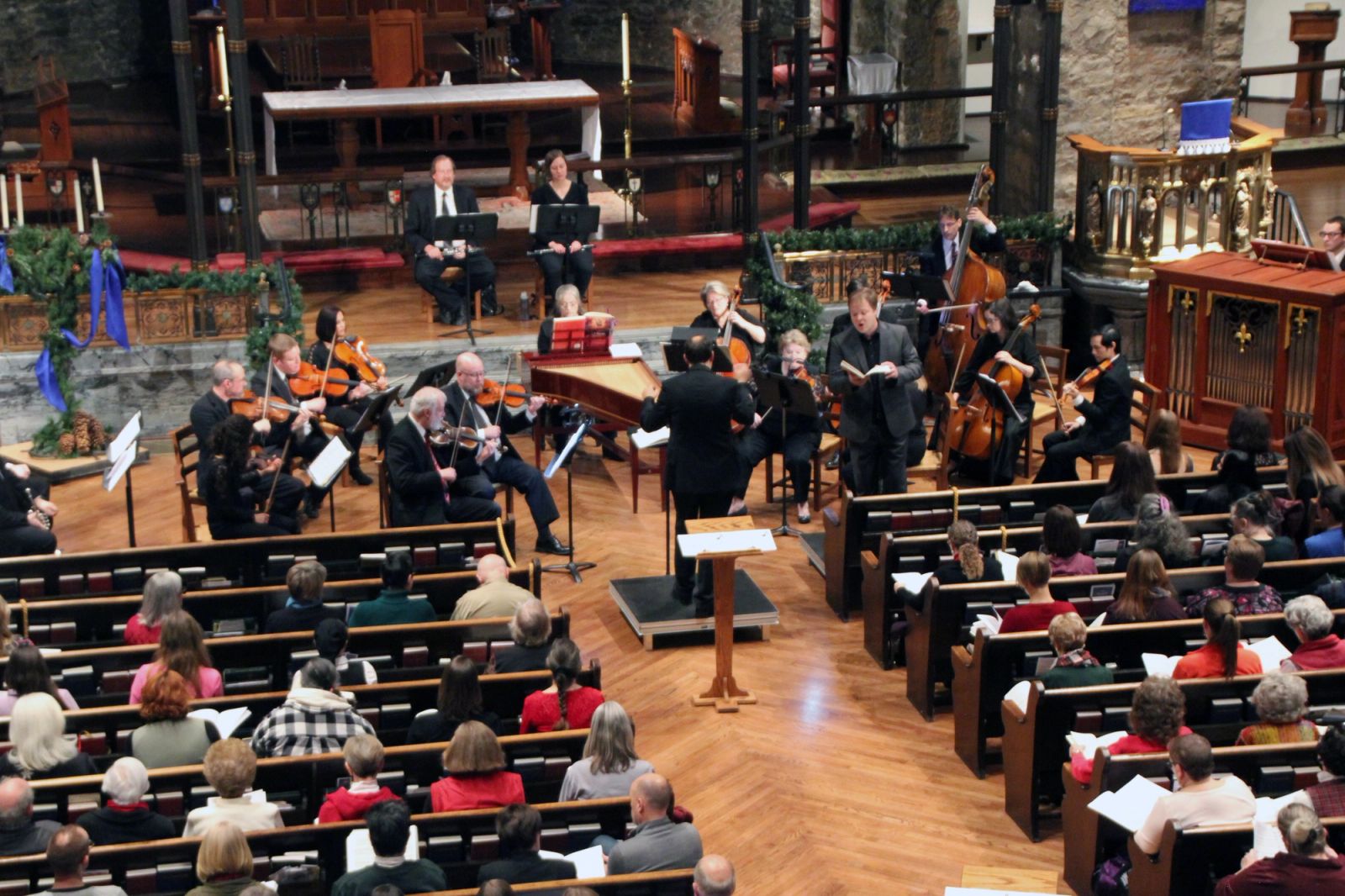


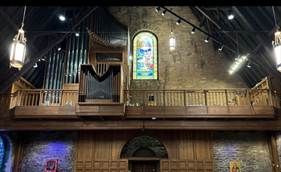
“We have such a wonderful music tradition at the Cathedral, both with organ and choirs. A new organ will not only allow us to continue this tradition, but solidify it for years to come. We cannot know over the next five years if our current organ, magnificent for its time, will last. What we do know is it is failing and harder to maintain every day. I look forward to working with the Wardens, Vestry, Director of Music, and others to make our music ministries at the Cathedral secure.” —Dean Keyse
Organs at GHTC
1904-1929: Organ by the Hutchings-Votey Organ Co. of Boston, MA, installed in the area now occupied by the Chapel. Destroyed by fire in 1929.
1929-1980: Replacement instrument by Austin Organs, Inc. of Hartford, CT, also located in the area of the Chapel. Pipes hidden by a Screen now behind the Font. Determined no longer viable in 1978.
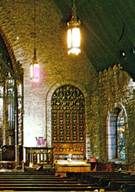
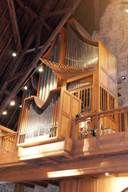
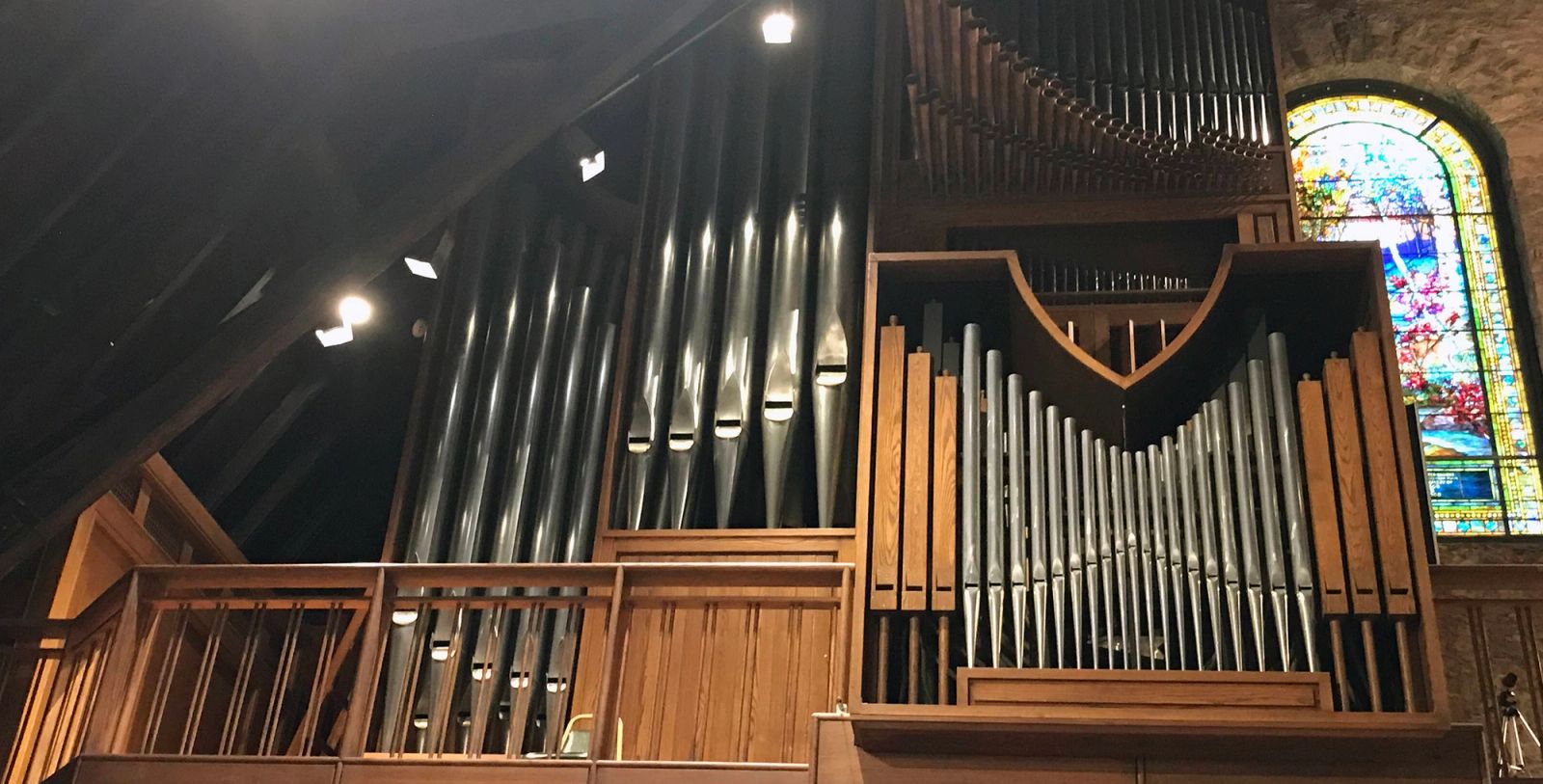
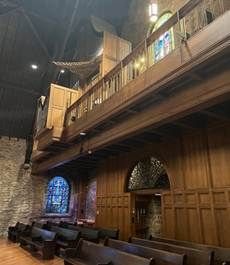
1980-Date: New organ commissioned from Gabriel Kney & Co. of London, Ontario, Canada. Originally planned to be located on the floor at the west end of the Nave, the new organ was placed on a Gallery, built in 1980, that also provides space for the choir. Dedicated May 1981.
Gallery Problems
Accessibility: Not easily accessible for handicapped or aged persons. The long, steep, and narrow stairs can be daunting, especially when descending.
Fire Egress: In an emergency, there is no alternative means of escape except for a “rope ladder” thrown over the railing – even the most agile think twice!
Kney Organ Problems
The location on the south side of the Gallery respects the Tiffany “Hart” Window but, while technically advanced for its time when designed in the late 1970s, fifty years ago, the workings of the organ have deteriorated. Problems identified include:
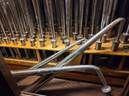
The Action: Fiberglass and Teflon components have stretched and frayed.
The Pipes: Made of soft metal, but not correctly racked, they often bend and kink.
The Organ Case: Constricted, leading to problems with poor ventilation, high temperatures, and maintenance access — very difficult and potentially dangerous.
Inspection Reports: The instrument was inspected by two organ companies. Both C.B. Fisk, Inc. and Richards, Fowkes & Co. came to the same conclusion: A complete dismantling and rebuild is necessary, costing 60-70% of the price of a new instrument but not correcting all the identified problems. Both firms expressed reluctance to carry out such a rebuild, feeling the result would not be completely satisfactory.
The conclusion: A NEW ORGAN.



Organ Location
Three possible locations considered:
The Chapel
The historic placement of the first two organs. Confined space; not ideal for sound projection to the Nave; major change to use of area for Eucharist; and impact on handicapped access to Chancel.
The Gallery
To provide better organ layout, acoustics, and maintenance access, a “split” design with pipe ranks to either side of the “Hart” Window would be necessary. To also accommodate the choir, an enlarged gallery, with structure in the Nave through to new foundations in the Undercroft, would be necessary. Access and emergency egress still problematic.
The West End of the Nave
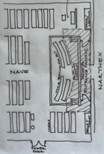
Occupying the area west of the cross aisle at the center-rear of the Nave, at floor level. Provides ideal space, acoustics, and ventilation for a new organ and the choir while answering all questions regarding access and egress. The 1980 Gallery would be removed.
Organ Design
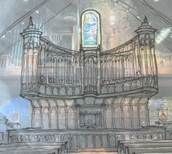
C. B. Fisk, Inc. of Gloucester, MA, has been commissioned to design, build, and install a new organ at Grace & Holy Trinity. This is a long process, lasting five years, but will lead to the provision of a magnificent instrument.
Preliminary Design Ideas
Located at the west end of the Nave, on a platform three or four feet above floor level, creating a choir loft projecting sound over the congregation. Organ shaped to enhance the view to the “Hart” window. A passageway behind and below the organ would allow for access from the Narthex.
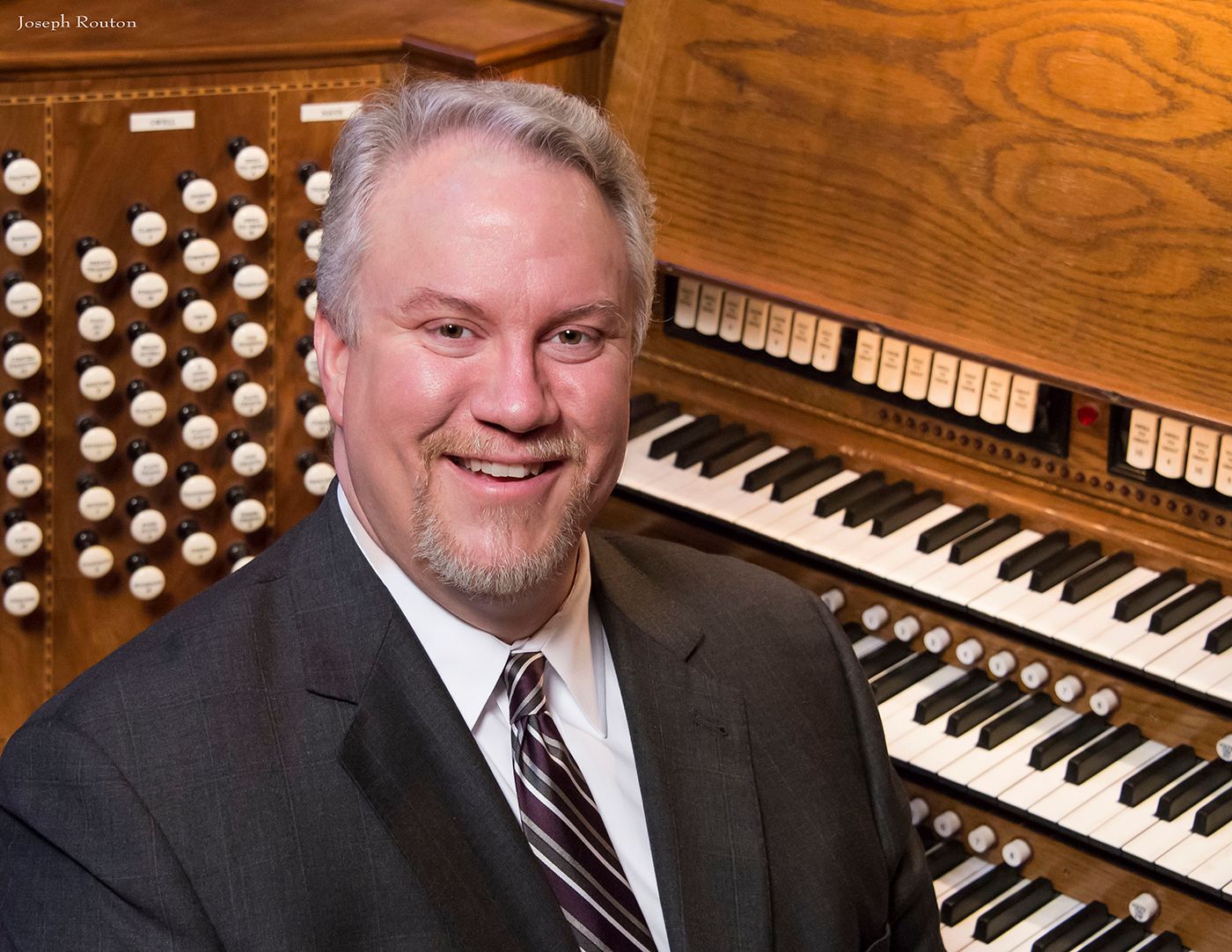
Dr. Lucas Fletcher, Director of Music, is developing a specification aiming to provide an organ that authentically performs a wide variety of music, emphasizing liturgical needs and Anglo-American choral accompaniment.
Other Issues
Also to be considered are:
Organ Blower Room – location.
Structure – weight of new organ and possible floor reinforcement.
HVAC – renew/renovate system to reduce excessive noise and provide better air distribution, temperatures, and humidity.
Acoustics – improved by wainscot on lower walls and/or chairs in place of pews.
The Process
A Letter of Intent was recently signed with C. B. Fisk and a deposit paid; this ensures us a place in line for completion in 2031. In approximately six to nine months, Fisk will produce schematic drawings providing images suitable for fundraising. Design development and manufacture follow, with the completed organ assembled in MA before being dismantled and reassembled in the Cathedral. As the different ranks of pipes are installed, it will be possible to have “mini” concerts as a part of the fine-tuning of the organ.
A new organ is a very expensive undertaking; we will be launching a Capital Campaign to raise over $5M.
Anticipated dedication: 2031
Thanks for the progress to date go to:
Dr. Lucas Fletcher, Director of Music
Nigel R. Jones, Junior Warden
Diane Barker
Paget Higgins
Dr. William McCandless
Charles Shipley
Janet Stewart-Sweeting
and
The Very Rev. Dr. Andrew C. Keyse, Dean
Steve Moore, Senior Warden
The Vestry and the Finance Committee
Julie Toma, Cathedral Administrator